Introduction
Sails live a hard life in the sun. Even the most durable sailcloths will degrade over time due to ultraviolet (UV) exposure. Whether you’re coastal cruising or racing offshore, understanding how UV affects your sails—and how to protect and maintain them—can help extend their useful life and performance.
How UV Light Damages Sails
- Breakdown of Fibers: UV radiation weakens the fibers in sailcloth—especially Dacron, nylon, and laminated materials—making them brittle and prone to tearing.
- Delamination: Laminated sails can begin to peel and separate as the UV breaks down the adhesive layers.
- Color Fading: Sunlight bleaches colored sails and suncovers, diminishing aesthetic appeal and fabric integrity.
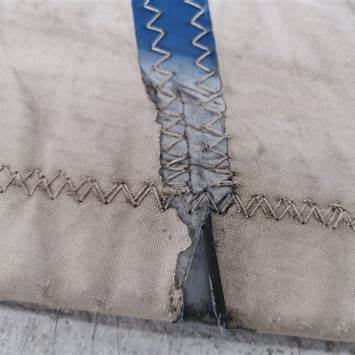
- Thread Degradation: Stitching breaks down faster than the sailcloth itself, often leading to premature seam failure.
High-Risk Areas on a Sail
- Leech and Foot Edges: These are most exposed when a sail is furled or left up at anchor.
- Headsails on Roller Furlers: Without a UV cover or sacrificial strip, the exposed edge degrades quickly.
- Mainsails on the Boom: Especially when flaked or left uncovered at the dock.
How to Prevent UV Damage
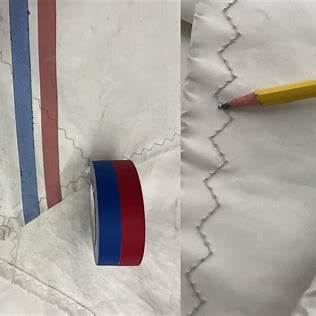
- Use UV Covers: A sacrificial UV strip sewn to your headsail’s leech and foot protects the sail when furled. Solution‑dyed acrylics like Sunbrella and WeatherMax are industry favorites, offering excellent UV resistance, color retention, and long-term durability.
- Deploy Mainsail Covers: Always use a well-fitted sail cover or boom bag when the mainsail isn’t in use.
- Remove Sails for Storage: If you’re not sailing for an extended period, take your sails down and store them in a cool, dry place.
- Apply UV Protectants: Some fabric sprays (like 303 Aerospace Protectant) offer limited protection and water repellency but should be used with caution.
- Regular Inspections: Catching early signs of damage—like fuzzy threads or tiny cracks—can save the sail.
Repair Options for UV-Damaged Sails
- Re-stitching: If the stitching is sun-rotted but the fabric is sound, re-stitching can give the sail new life.
- Patching or Reinforcing: Small UV-thinned areas can be patched or backed with reinforcing fabric.
- Replacing UV Covers: If your sacrificial strip is faded or cracking, replacing it is far cheaper than replacing the sail.
- Panel Replacement: In some cases, we can replace damaged sections of sail, especially on radial or tri-radial layouts.
- Retiring the Sail: If the fabric has gone soft, brittle, or transparent, it may be time to invest in a new one.
How Ullman Sails Northeast Can Help
We offer:
- UV cover replacement and upgrades
- Detailed inspections
- Professional repairs and re-stitching
- Custom new sails with long-life UV-resistant fabrics
Whether you need a simple touch-up or a full sail assessment, we’re here to help protect your investment and keep you sailing safely.
Final Thoughts
Sun damage is inevitable—but with proper care, routine maintenance, and timely repairs, you can significantly extend the life of your sails. Schedule a sail inspection today and sail smarter for seasons to come.
Image Examples of UV Damage and Protection