
Introduction
In-mast furling systems offer incredible convenience for cruisers, especially for those sailing shorthanded. But like all gear, they’re not foolproof. This guide breaks down the most common problems—and how to fix them—so you can keep your furling main reliable, safe, and easy to use.
1. Common Operational Issues & Fixes
These are everyday problems most furling mainsail owners face:
- Sail jams inside the mast: Usually caused by furling under load or at the wrong angle to the wind.
- Wrinkled or uneven roll: Often due to improper outhaul tension or misalignment.
- Lines slipping or stiff: Caused by worn furling lines or dirty hardware.
- Sail won’t fully deploy: Usually a sign of uneven rolling or not enough outhaul tension.
Fix: Head into the wind, ease the mainsheet fully, apply even outhaul tension while furling/unfurling, and avoid forcing the lines. Replace old lines and clean moving parts regularly.
2. Aged or Stretched Sailcloth
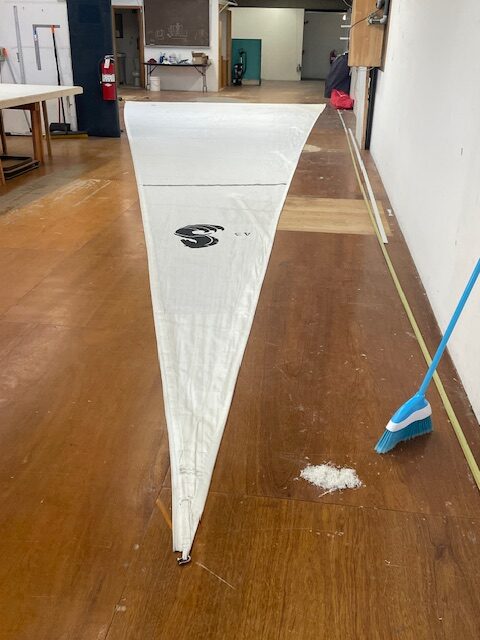
As sails age, they lose their shape. A baggy, stretched sail won’t furl cleanly, leading to jams and creases. If your sail is more than 8–10 years old or showing signs of distortion, it may need to be recut or replaced with one designed for furling systems.
3. Luff Stretch & Tension Loss
When the luff stretches, you can’t apply enough tension, which creates a loose roll that wrinkles and snags. Check for sagging even with full halyard tension. If so, have the sail evaluated for recutting—or replacement if the stretch is too far gone.
4. Battens: More Hassle Than Help
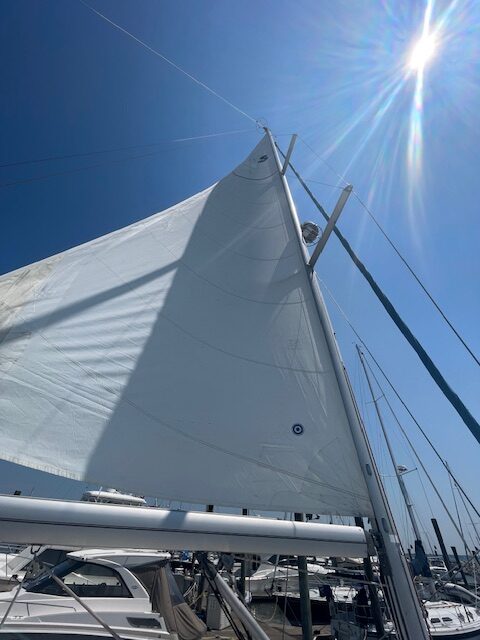
Vertical battens are marketed as a way to increase sail area by supporting more roach—but the extra area is minimal. Worse, battens can cause jams, uneven rolling, and mechanical strain. A well-designed, batten-free furling main is usually more reliable for cruisers.
5. Maintenance & Prevention Checklist
- Keep the furling mechanism clean and lightly lubricated
- Replace furling and outhaul lines every few seasons
- Inspect the sail annually for stretch, damage, and poor shape
- Avoid furling or unfurling under load or with wind on the sail
- Never force the furl—back off and try again
Conclusion
In-mast furling is a fantastic tool when used properly. With a little attention to sail condition, line health, and careful furling technique, you can avoid the most common problems and enjoy smooth sailing. When in doubt, talk to a sailmaker who knows furling systems. Contact Ullman Sails NE